
Why Is My Blood Pressure Higher in Winter? Cold Weather and Your Heart
November 24, 2026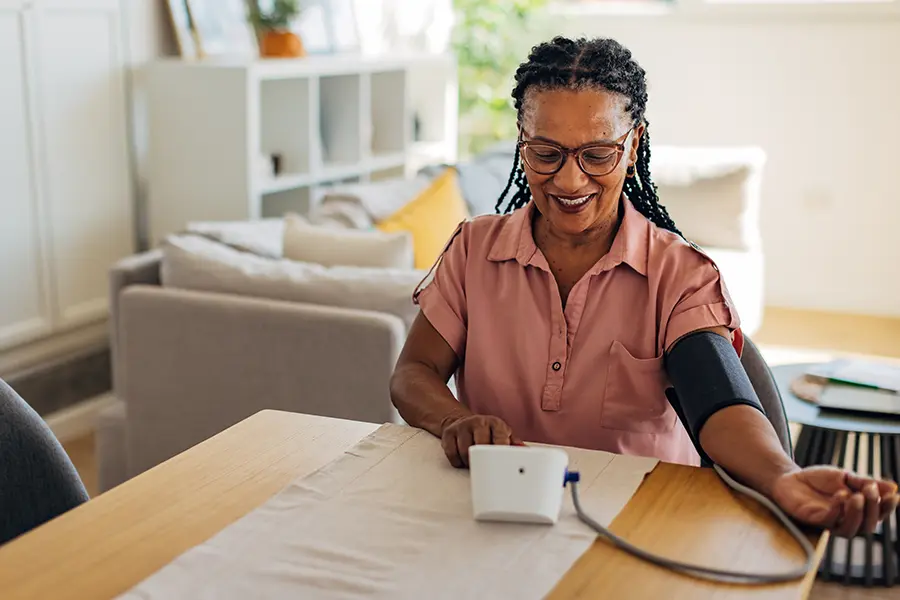
If your blood pressure readings creep up when the temperature drops, you’re not imagining it. Blood pressure naturally tends to run higher in the colder months and lower in the summer. For most people, the change is small, but for anyone already living with high blood pressure or heart disease, a few extra points can matter. Here’s what to watch for this winter and when to get help, from the team at Highpoint Health in Middle Tennessee.
Why Does Cold Weather Raise Blood Pressure?
When you’re cold, your body works to hold on to heat. Small blood vessels near your skin tighten to keep warm blood close to your core. Narrower vessels mean your heart has to push harder to move blood through them, and that extra pressure shows up in your readings. Your body also releases stress hormones in the cold that can speed up your heart rate.
You don’t need snow for this to happen. A chilly morning walk to the mailbox, a drafty house or a sudden cold snap can all have an effect.
Can You Feel High Blood Pressure?
Usually, no. Most people with high blood pressure feel completely fine, which is why it’s often called a silent condition. You can’t count on headaches, dizziness or a flushed face to tell you your numbers are up. The only way to know is to measure.
Signs Winter May Be Affecting Your Numbers
If you check your blood pressure at home or have it taken at appointments, look for patterns like these:
- Readings that are higher than what you usually see in spring or summer
- Numbers that jump after a cold front moves through
- Higher readings in the morning, especially in a cool bedroom or right after coming in from outside
- Readings above the goal your provider set for you on more than one day
How to Get an Accurate Reading at Home in Cold Weather
Cold can temporarily raise your blood pressure. For the most reliable numbers:
- Measure in a warm room, not right after you come in from outside.
- Sit quietly for five minutes with your back supported and feet flat on the floor.
- Rest your arm on a table at heart level, with the cuff on bare skin.
- Empty your bladder before checking.
- Use a validated upper-arm monitor with a properly fitting cuff.
- Skip caffeine, exercise and smoking for 30 minutes before you check.
- Take two readings a minute apart, at the same times each day, and write them down.
When Is High Blood Pressure an Emergency?
One high reading on its own isn’t usually cause for alarm. But if your top number is above 180 or your bottom number is above 120, wait a few minutes and check again. During pregnancy, a top number of 160 and a bottom number above 110 is the threshold for severe hypertension. If it’s still that high after rechecking, contact your provider right away. Call 911 if a high reading comes with any of these symptoms:
- Chest pain or pressure
- Shortness of breath
- Pain in your back, arm, neck or jaw
- Sudden numbness or weakness, especially on one side of the body
- Changes in vision or trouble speaking
Be Careful with Heavy Work in the Cold
Shoveling snow, splitting firewood and clearing storm debris all raise your heart rate and blood pressure while cold air is already doing the same. If you feel chest discomfort, unusual shortness of breath, nausea, or a cold sweat during this kind of work, stop and call 911.
What to Do If Your Readings Are Running High
If your numbers have been creeping up, these steps can help you and your provider figure out what’s going on:
- Keep a log for one to two weeks to see whether the rise is steady.
- Check your cuff size, since a cuff that’s too small can make readings look higher.
Ask your pharmacist before taking a decongestant or pain reliever, since some can raise blood pressure.
Take your blood pressure medicine as prescribed, and talk with your provider before changing your dose.
Schedule a visit if your readings stay above your goal so your provider can adjust your plan if needed.
If your winter readings are running higher than usual, find a primary care provider at Highpoint Health in Middle Tennessee to talk about your numbers and how to keep them in a healthy range.