
Why Weight Loss Surgery Still Stands the Test of Time
February 04, 2026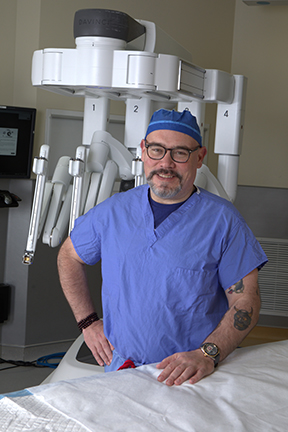
In a healthcare landscape filled with new diet trends, prescription weight‑loss medications, and digital coaching programs, many patients still wonder why weight loss surgery continues to be one of the most effective and reliable treatment options for obesity. According to Dr. Brian Reed, bariatric and general surgeon at Highpoint Health – Sumner with Ascension Saint Thomas, the answer lies in understanding obesity for what it truly is: a chronic, complex disease that demands more than willpower alone.
“Obesity is not simply the result of lifestyle choices — it is a disease process, similar to hypertension or diabetes, driven by genetic predisposition, metabolic dysfunction, hormonal imbalance, and environmental factors. While non‑surgical weight‑loss methods have advanced greatly in recent years, they still face the same fundamental challenge: they rarely overcome the powerful biological mechanisms that cause weight regain,” said Dr. Reed.
Patients with morbid obesity often face a near‑100% failure rate when relying on diet and exercise alone. Even today’s popular medications, including GLP‑1 agonists, can struggle to maintain long‑term, stable results without ongoing—often lifelong—pharmaceutical support. For many individuals throughout Gallatin, Hendersonville, Portland, and the greater Sumner County region, this means weight loss is inconsistent, temporary, or quickly regained after stopping medication.
This is where bariatric surgery continues to stand apart. Surgical weight‑loss procedures work not only by reducing stomach capacity but also by altering hunger hormones and improving metabolic function in ways non‑surgical options simply cannot. For example, sleeve gastrectomy, the most common bariatric procedure performed in the United States, removes the portion of the stomach responsible for producing the hunger hormone ghrelin. Patients typically experience reduced hunger, improved fullness, and increased satisfaction with smaller meals — changes that no diet or medication reliably replicates.
Beyond appetite control, procedures such as gastric bypass and SADI (Single Anastomosis Duodenal Ileal bypass) provide additional metabolic advantages by modifying how the small intestine processes nutrients. These surgeries can dramatically improve blood‑sugar regulation, often resolving type 2 diabetes within days of the procedure. “It is this metabolic reset that is a major reason why surgical interventions deliver sustained weight loss that non‑surgical methods cannot match,” said Dr. Reed.
Most bariatric patients lose 60–70% of their excess body weight, but even more importantly, they keep it off long‑term. Weight loss surgery doesn’t just change how much a person can eat — it changes how their body responds to food. That physiological shift is what leads to durable, life‑changing results for patients across Middle Tennessee.
Dr. Reed emphasizes that weight‑loss surgery is not a stand‑alone cure but an essential tool supported by a comprehensive care team. His practice provides access to dieticians, mental‑health professionals, mid‑level providers, and insurance specialists, all dedicated to helping patients build sustainable lifelong habits. This multidisciplinary approach ensures patients receive the education, resources, and compassionate support they need to thrive long after surgery.
“While non‑surgical options will always have a role in weight management, bariatric surgery remains the gold standard for long‑term success. For patients living with obesity, surgery offers not just weight loss, but a chance at a healthier, more active, and more fulfilling life.”